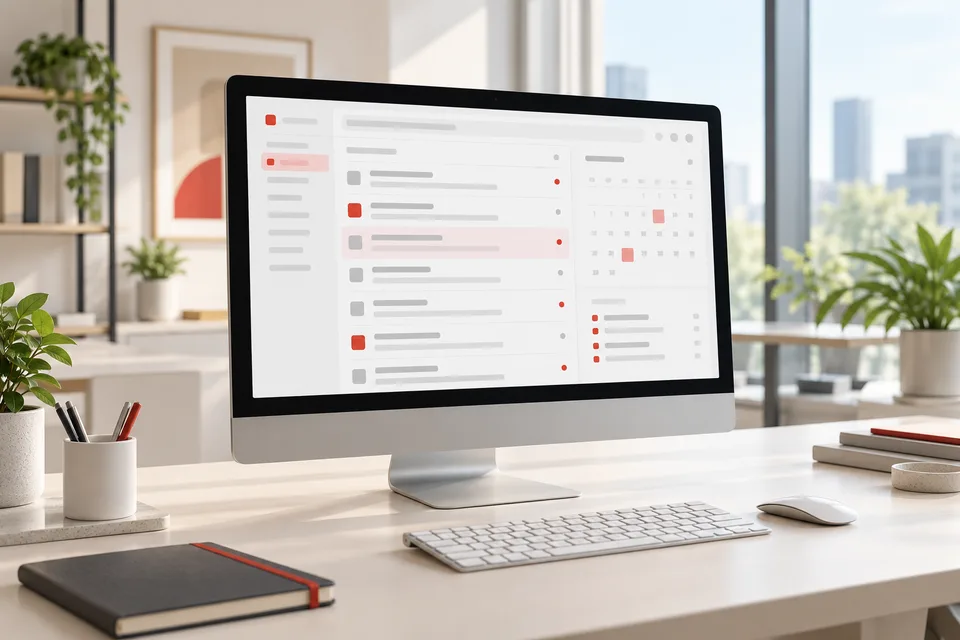
A solution shaped around your work.
A growing database can affect application performance and recovery time. Understanding query patterns, storage use and access requirements helps define maintenance tasks without making untested changes to production records.
What this service covers
- Engine, version and application compatibility review
- Database access and connection configuration
- Backup, retention and recovery planning
- Capacity and agreed performance checks
We confirm the selected equipment, responsibilities and deliverables in your project proposal before work begins.
How we deliver the work
- 01
Define the audience and requirements
Identify users, languages, content owners and required functions. Review domain control, existing services and integrations so the proposed solution fits your business workflow.
- 02
Prepare and verify
Implement the agreed design, configuration or migration in a controlled process. Check relevant pages, email flows, permissions and recovery arrangements before switching users to the new setup.
- 03
Launch and document
Coordinate the approved release or service change. Hand over ownership and administration guidance, confirm the maintenance scope and document any dependencies on external providers.
A clear handover
Agree the records your team needs to operate and maintain the solution. Depending on the selected scope, these can include:
- Relevant ownership and administration information
- Functional checks for the agreed scope
- Maintenance, recovery and provider responsibilities
What to prepare for your project
Share the database engine, approximate size, application dependencies and maintenance requirements, and provide anonymized examples where needed rather than confidential production records or credentials.
Discuss this serviceYour questions, answered
Can a database migration happen without affecting the application?
Impact depends on database size, application behavior and the migration method. Compatibility testing, synchronization steps and a rollback plan are agreed before changing production connections or transferring the active database.
How do we confirm that the software fits our workflow?
Describe the users, process steps, permissions and required reports. Agree acceptance scenarios using sample or anonymised data, then review these with the people who will use the application.
What should be included in the software handover?
Agree account ownership, administrator guidance, deployment arrangements and backup responsibilities. Maintenance, third-party licences, ownership of deliverables and future changes should be recorded in the project agreement.
Can the work fit around existing websites and email accounts?
We first review the current provider, domain access, data volumes and dependencies. Some changes need a planned transition window. Testing, backups and a clear handover help coordinate the change; the exact sequence depends on the existing setup.