A solution shaped around your work.
Dust, changed lighting, moved displays and aging storage can gradually reduce surveillance usefulness. A planned checklist should inspect physical condition and recorded footage together, with clear follow-up for issues that need corrective work.
What this service covers
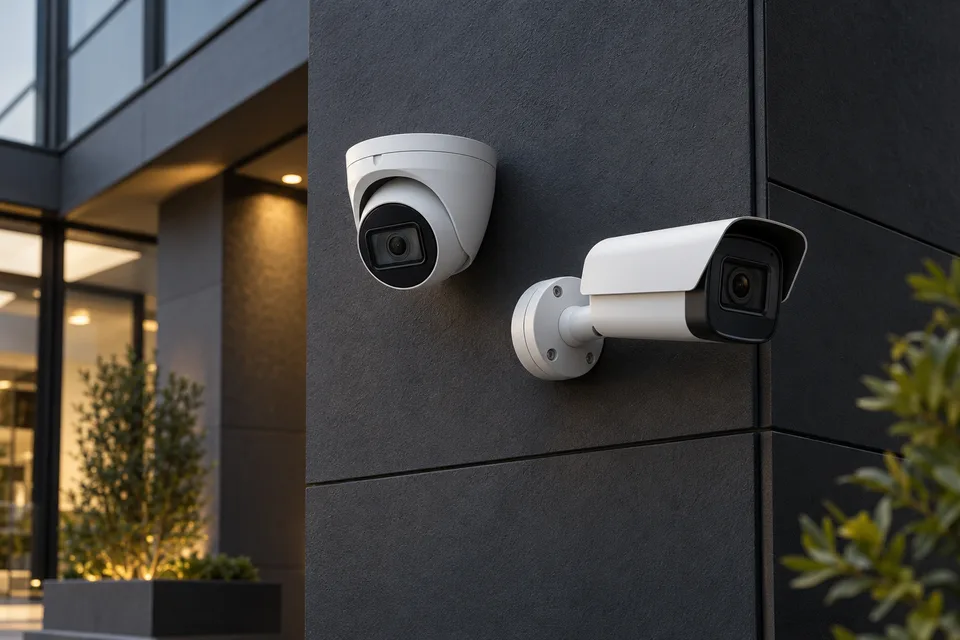
- Lens, housing and mounting condition inspection
- Cable connections and power condition checks
- Recording, timestamps and storage status review
- Maintenance log and corrective-action recommendations
We confirm the selected equipment, responsibilities and deliverables in your project proposal before work begins.
How we deliver the work
- 01
Review the site and purpose
Map the areas that need visibility, lighting conditions and existing equipment. Discuss authorized viewing, recording objectives and the intended use of the system.
- 02
Coordinate the installation
Plan camera positions, cable routes, recorder connections and storage arrangements. Coordinate site access and confirm which equipment and configuration changes form part of the work.
- 03
Check viewing and recording
Verify agreed live views, playback, time settings and administrator permissions. Review the handover with the responsible operator and document outstanding maintenance requirements.
A clear handover
Agree the records your team needs to operate and maintain the solution. Depending on the selected scope, these can include:
- Camera and recorder configuration record
- Live-view and playback check results
- Operator guidance and maintenance observations
What to prepare for your project
Provide the camera inventory, previous maintenance records and preferred access windows. Identify difficult mounting locations, site restrictions and any changes to lighting or room layouts.
Discuss this serviceYour questions, answered
Does preventive maintenance include checking old recordings?
An agreed inspection should include sample playback and timestamp checks alongside live views. This helps identify recording gaps or retention problems that would not be apparent from simply observing the current camera image.
How should recording retention and storage be planned?
Review the camera count, resolution, recording schedule and retention requirements for the premises. Confirm the proposed capacity and recording settings together; camera count alone does not establish how long footage is retained.
Can authorised staff view cameras from a phone?
Remote viewing can be assessed for compatible equipment and the available connection. Agree who can view live footage or recordings, protect their accounts and test access without sharing administrator credentials.
Do you need camera footage to assess the initial request?
Usually a description of the issue, equipment models and a general layout is enough to begin. Do not upload CCTV footage or access credentials to the enquiry form. Any later diagnostic access should be authorized and limited to the agreed work.