A solution shaped around your work.
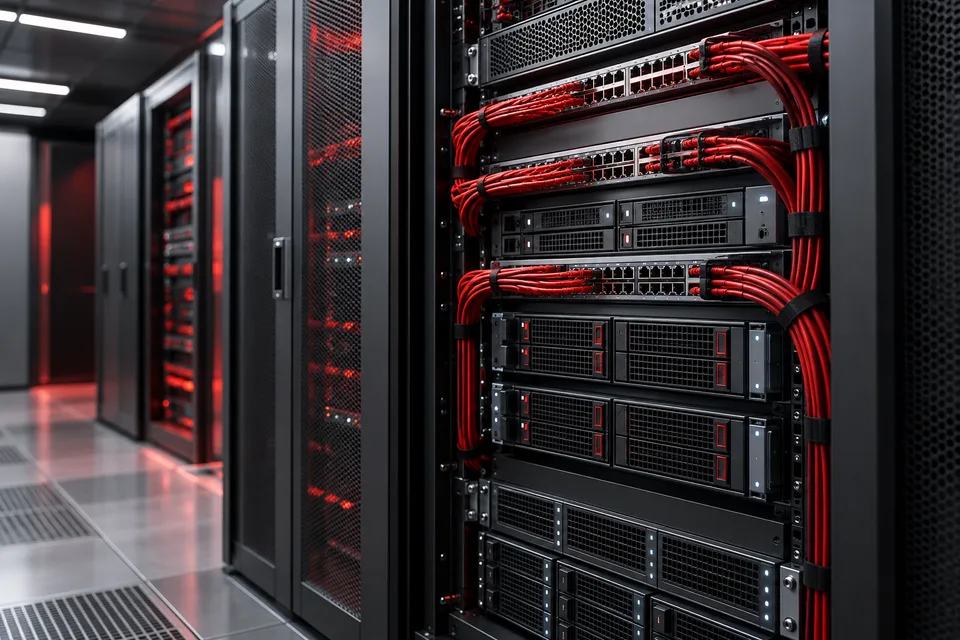
Loose or undocumented cable terminations complicate even a simple desk move. A suitable patch panel provides a structured connection point when its category, termination method, rack position and outlet numbering are planned together.
What this service covers
- Panel category and port-layout selection
- Cable dressing and termination work
- Outlet-to-panel mapping and labeling
- Terminated-link testing and fault correction
We confirm the selected equipment, responsibilities and deliverables in your project proposal before work begins.
How we deliver the work
- 01
Assess the environment
Review the site, connected devices, existing configuration and application dependencies. Identify the physical access and operational constraints that affect the work.
- 02
Plan and implement
Agree the design, equipment compatibility and change window. Carry out the installation or configuration with a clear record of the agreed changes.
- 03
Verify and hand over
Check the relevant connections and business functions against the agreed scope. Record results, remaining dependencies and the information needed for ongoing administration.
A clear handover
Agree the records your team needs to operate and maintain the solution. Depending on the selected scope, these can include:
- Relevant configuration and equipment records
- Agreed functional checks and findings
- Administration guidance and support responsibilities
What to prepare for your project
Share the cable category, number of active outlets, rack details and any existing port map so panel selection and termination work reflect the installed network.
Discuss this serviceYour questions, answered
Does a patch panel replace a network switch?
A patch panel organizes passive cable connections; a switch handles network traffic. Patch leads connect the panel ports to switch ports, allowing permanent outlet cabling to remain organized when equipment assignments change.
What information helps plan network capacity?
Share a floor plan, user count, connected devices and business applications. Include planned cameras, access points and IP phones so connections, power and network separation can be considered together.
How will the agreed installation be checked?
Define the relevant connection and application checks before work starts. Ask for labels, configuration records and test findings appropriate to the scope so your team can manage later changes.
How do we prepare for work on an existing system?
Identify the system owner, authorized administrator and critical applications. Confirm available backups and any change window before work begins. Access credentials should be exchanged only through an agreed secure method, never in the enquiry form.